Resources for managing alcohol withdrawal include rehab facilities, community support groups, and addiction counselors who provide guidance and assistance throughout the recovery journey. The focus on comprehensive aftercare ensures that those in recovery have the tools needed to maintain sobriety long after treatment ends. By reaching out to local resources, individuals can take the crucial first step toward a healthier, alcohol-free life.

Fox News Health
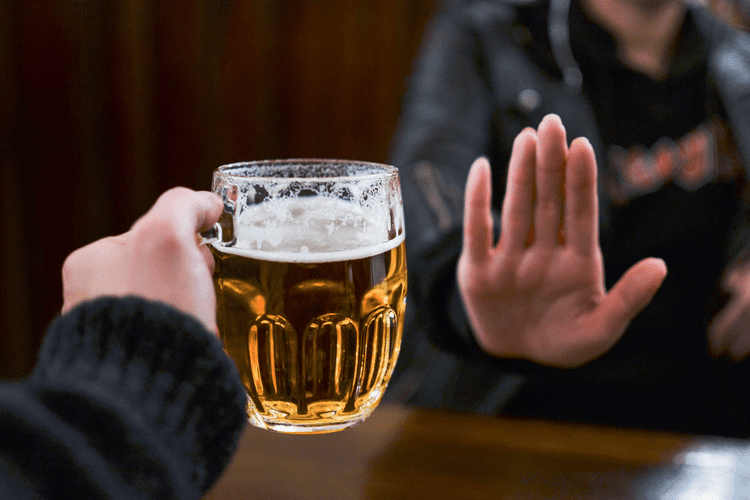
Seek help if you experience severe symptoms like seizures, confusion, or agitation. Professional monitoring ensures safety and effective management of withdrawal. Alcohol withdrawal can lead to severe symptoms, including delirium tremens (DTs), characterized by confusion, hallucinations, and severe agitation. Cognitive Behavioral Therapy (CBT) helps individuals identify and change negative thought patterns related to alcohol use.
When should alcohol withdrawal symptoms be treated with medical detox instead of supplements?
- It also takes a major toll on mental health—long-term users often struggle with memory problems, anxiety, paranoia, and even full-blown psychosis, where they see and hear things that aren’t real.
- By focusing on holistic approaches and personalized treatment plans, they empower individuals to reclaim their lives.
- Consider cognitive-behavioral therapy (CBT), a structured approach that identifies and reshapes harmful thought patterns.
- Alcohol withdrawal symptoms can range in intensity, appearing within six hours after the last drink and peaking around 24 to 72 hours.
- Many people searching for a highly rated alcohol rehab in NYC are just trying to understand the basics before taking any steps.
Your physician can recommend a tapering schedule and prescribe medications to manage any withdrawal symptoms that may arise. Preventing and managing alcohol withdrawal during colonoscopy preparation requires a proactive and collaborative approach between the patient and healthcare provider. Early symptoms of alcohol withdrawal can include tremors, anxiety, nausea, sweating, https://ecosoberhouse.com/ and insomnia. These initially mild symptoms indicate the body’s reaction to the sudden absence of alcohol.
Effects on the Cardiovascular System
- Dehydration can intensify symptoms like headaches, dizziness, and rapid heartbeat, making the withdrawal experience more challenging.
- Alcohol Awareness offers online tools, educational content, and connection services that help you find the right treatment options quickly and efficiently.
- Removing alcohol from your diet for 4 weeks can also help to improve your liver function as your liver will start to shed excess fat.
- Meth comes in many different forms, including a white powder that can be snorted, smoked, or injected.
If the rhythm does not spontaneously return to normal within a day or two, physicians may use antiarrhythmic medications or electrical cardioversion to restore a normal sinus rhythm. Simultaneously, electrolyte imbalance must be corrected through the intravenous administration of minerals like magnesium and potassium to restabilize the heart’s electrical system. Over time, heavy alcohol use results in direct myocardial toxicity, leading to structural remodeling within the heart muscle. Alcohol and its metabolites create oxidative stress and inflammation in the atria.

Attempting to withdraw without professional guidance can result in severe complications, including seizures and DTs, which can be fatal. It’s imperative to weigh these risks against the desire to detox independently. Identifying the can drinking alcohol cause high blood pressure severity of withdrawal can help in deciding whether medical intervention is necessary.
This assessment often involves healthcare professionals who may use scoring tools, such as the Clinical Institute Withdrawal Assessment for Alcohol (CIWA-Ar), to gauge the withdrawal’s intensity. Farmington Hills offers several effective treatment options for individuals experiencing alcohol withdrawal. Access to specialized rehabilitation facilities plays a vital role in successful recovery. Engaging in group therapy sessions also fosters a sense of community and shared experience, which is vital for long-term sobriety. By participating in these supportive environments, individuals can build social connections that may further drug addiction enhance their recovery journey.